
What players say
Multiple of Three Domino Match takes a familiar tile game and gives it a fresh arithmetic twist. The rule is easy to grasp but the strategy deepens as you play, requiring you to think ahead. The lack of timers and the clean interface create a calm, focused experience. It works equally well on desktop and mobile, and the two-player mode adds a cooperative element. This is a well-crafted puzzle that entertains while subtly sharpening math skills.
About this game
Core Gameplay Loop
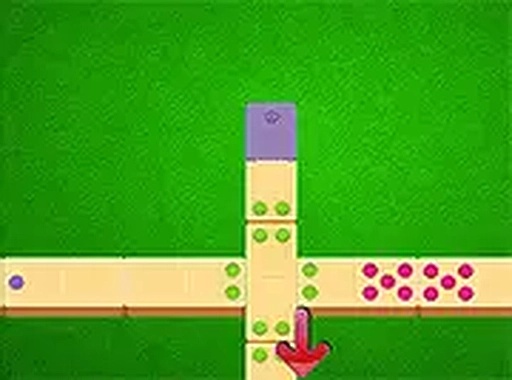
In Multiple of Three Domino Match, each tile displays two numbers. Your task is to place a tile on the board so that the sum of the chain's open ends equals a number divisible by three. For instance, if one end shows a 1 and the other a 5, their total is 6, which is a valid multiple. This rule turns every move into a small arithmetic problem, requiring you to quickly add numbers and decide the best position. The game continues until you have placed all tiles or no valid move remains. Points accumulate with each correct placement, encouraging thoughtful decisions rather than random picks.
Strategic Depth in Simple Rules
While the basic rule is straightforward, the game reveals deeper strategy as you play. You must consider not only the immediate sum but also how your placement affects future options. For example, leaving a high number exposed might limit your next move, while a low number could keep possibilities open. Planning two or three steps ahead becomes essential to clear the entire deck. This layer of foresight transforms a casual puzzle into a rewarding mental exercise, similar to classic solitaire but with a numerical twist.
Accessible Design for All Ages
The game runs directly in any web browser with no downloads or installations. Its drag-and-drop controls are intuitive, allowing players to pick up and play within seconds. The interface is clean and uncluttered, with a full-screen option for better visibility on both desktop and mobile devices. Because the math involved is basic addition, children can practice their sums while adults enjoy a relaxing challenge. The lack of timers or pressure makes it suitable for short breaks or longer, focused sessions.
Single Player and Cooperative Modes
You can play alone, working through the deck at your own pace. The game also supports a two-player mode where partners take turns placing tiles. In cooperative play, communication becomes key as you discuss which tile to play and where. This social element adds a new dimension, turning a solitary puzzle into a shared problem-solving activity. Both modes follow the same core rules, so switching between them is seamless.
Visual and Feedback Design
The game uses a simple, clean visual style that avoids distractions. Tiles are clearly numbered, and the board updates immediately after each placement. Visual cues, such as highlighting valid moves or showing the current sum, help players learn the rule quickly. The feedback is immediate but gentle, encouraging experimentation without punishment. This design philosophy keeps the focus on the puzzle itself, making the experience both educational and enjoyable.






Player comments
Sign in to comment
You must be logged in before posting a review or rating.
No account? Create one
No comments yet. Be the first to comment!