
What players say
Minimalist Dash Course succeeds by doing one thing well: teaching players to read obstacle courses. The simple controls and clean visuals let the gameplay shine. Each stage feels like a small puzzle, where memorizing the sequence of hazards is as important as quick reflexes. The gradual difficulty curve ensures that new players are not overwhelmed, while the promise of regular updates gives experienced players a reason to return. It is a solid choice for anyone looking for a thoughtful arcade challenge.
About this game
Core Movement and Control
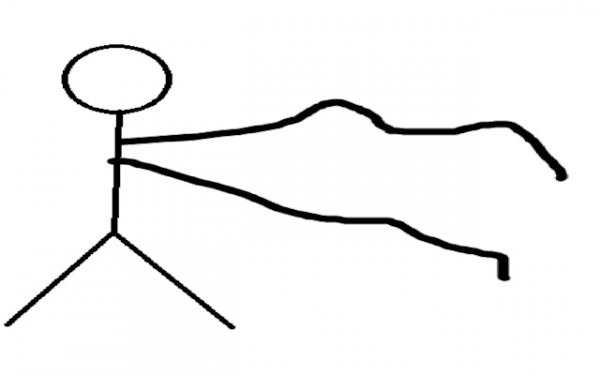
Players direct a minimalist stick figure across courses filled with barriers and gaps. The controls respond to deliberate taps or key presses, making each jump and slide feel intentional. Success comes from understanding the rhythm of each stage rather than rushing through. The simple visual style keeps attention focused on the character's position and the obstacles ahead.
Stage Design and Progression
Early courses introduce basic hurdles and straightforward paths to help players learn the fundamentals. As players advance, the layouts become more complex, combining multiple obstacle types in tighter spaces. Each stage acts as a puzzle of movement, where memorizing the sequence of hazards is key. The difficulty increases gradually, ensuring that new challenges feel earned.
Ongoing Content Updates
The development team treats this as a living project, adding new stages and mechanics over time. This approach keeps the experience fresh for returning players, who can expect to find new layouts and possibly new movement challenges. The regular updates ensure that the game does not become predictable or stale.
Visual Style and Focus
The stick figure art style strips away unnecessary detail, allowing players to concentrate on the action. With minimal visual noise, the eye naturally follows the character and the obstacles. This clean design helps new players learn the mechanics quickly and allows experienced players to focus on perfecting their runs.
Learning Through Repetition
Each failure provides information about the stage layout. Players naturally develop strategies by observing where obstacles appear and how they move. The game rewards patience and careful observation over frantic button pressing. Taking short breaks between attempts can help maintain focus and reduce frustration.






Player comments
Sign in to comment
You must be logged in before posting a review or rating.
No account? Create one
No comments yet. Be the first to comment!