
What players say
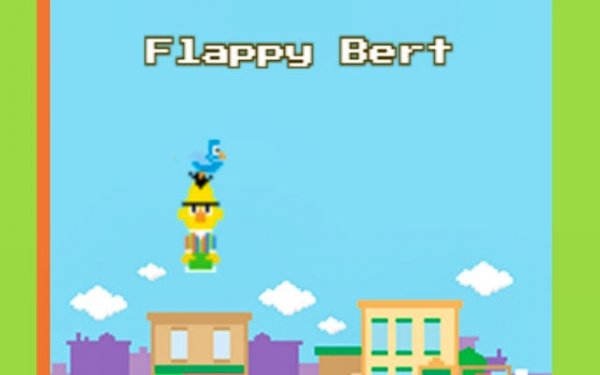
Urban Pigeon Flight Challenge succeeds by keeping its design simple and focused. The one-tap control is instantly accessible, but mastering the rhythm to navigate tight spaces offers genuine depth. The procedurally generated courses prevent boredom, and the optional treat collection adds a light strategic layer. Visuals are cheerful without being cluttered, and the lack of aggressive music keeps the experience relaxing. It is an ideal pick for players who want a skill-based challenge without the pressure of complex mechanics or competitive elements.
About this game
Core Flight Mechanics
This arcade title centers on a straightforward control scheme. Each tap generates a flap that lifts the pigeon upward. Releasing the input allows gravity to pull the bird back down. The challenge lies in finding a consistent rhythm to maintain a stable altitude while threading through gaps in the environment. The timing window is forgiving enough for newcomers but demands precision for those aiming to travel far. There are no complex combos or power-ups to manage, keeping the focus entirely on the player's ability to read the course and react smoothly.
Urban Course Design
The setting is a friendly cityscape filled with recognizable obstacles like pipes, signs, and ledges. These elements are arranged in patterns that become more intricate as the player progresses. Early sections offer wide openings to help players learn the controls, while later stretches require tighter maneuvers and quicker decisions. The layout is procedurally generated, ensuring each attempt feels fresh. This design encourages repeated play without becoming predictable, as the arrangement of hazards shifts with every run.
Score and Reward System
Points accumulate based on distance traveled, with bonus opportunities scattered along the route. Small cookie icons appear in some gaps, offering extra points for those who adjust their path to collect them. These treats are optional but add a layer of risk-reward decision making. Players must weigh the value of a few extra points against the potential of colliding with an obstacle. The score resets after each attempt, so the only goal is to surpass personal bests rather than compete against others.
Visual and Audio Atmosphere
The graphics use bright colors and simple shapes to create a welcoming tone. Characters and backgrounds have a hand-drawn quality that feels warm and approachable. Sound effects are minimal, with soft flap noises and a gentle chime when collecting treats. There is no intense music or jarring alerts, which helps maintain a relaxed pace. This audiovisual design makes the game suitable for players who prefer a calm, non-intrusive experience during short breaks.
Progression and Difficulty Curve
There are no levels or checkpoints. The difficulty increases gradually as the player's run continues. Obstacles appear more frequently and with less space between them, requiring faster reactions and more precise tapping. The game does not introduce new mechanics or sudden difficulty spikes. Instead, it relies on the natural pressure of longer distances to challenge the player. This gradual ramp-up allows players to build confidence over time, with improvement coming from practice rather than memorization.






Player comments
Sign in to comment
You must be logged in before posting a review or rating.
No account? Create one
No comments yet. Be the first to comment!