
What players say
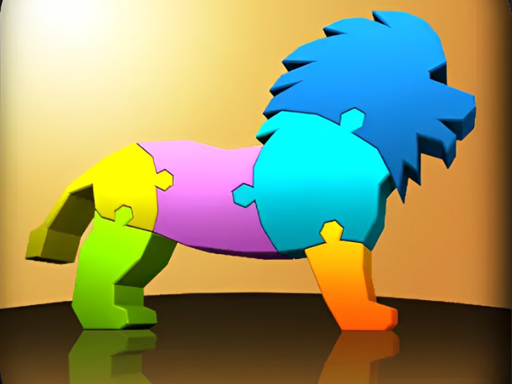
Shape Match 3D Puzzle offers a calming yet stimulating puzzle experience for all ages. The drag-and-drop controls are intuitive, and the gradual difficulty keeps you engaged without frustration. The 3D visuals add depth to classic shape matching, making each level feel fresh. Perfect for unwinding or sharpening your mind.
About this game
Game Introduction
Shape Match 3D Puzzle is a shape matching game designed for players of all ages. The core objective is to fit various shapes into their corresponding slots on a board. Each level presents a new arrangement that tests observation and logic skills. The game combines the satisfying challenge of puzzle-solving with dynamic 3D visuals, offering a fresh take on classic shape-matching gameplay. Its clean interface and gentle feedback make it accessible to everyone, from young children to adults, providing a calming yet engaging way to unwind or sharpen the mind. The action-oriented design may include dynamic elements that enhance the challenge.
How to Play
Players typically start by looking at the shapes displayed on the screen. The goal is to drag each shape from its starting position to the matching outline on the board. Using a mouse or touch input, you click and hold a shape, then drag it to the correct spot. If the shape fits, it snaps into place with a soft sound or visual cue. There are no penalties for incorrect moves, so you can experiment freely. The difficulty gradually increases as you progress, introducing more complex shapes and larger boards, allowing you to build skills without feeling overwhelmed.
Game Features
Simple drag-and-drop controls make gameplay easy for everyone. Family-friendly content ensures a safe experience for all ages. Relaxing puzzle challenges help reduce stress and improve focus. No time limits or scoring pressure allow for leisurely play. Gradual difficulty progression keeps the game engaging without frustration. The 3D presentation adds depth and visual interest to the puzzle-solving experience.
Tips for Success
Take your time to observe the board before placing any pieces. Start with the most obvious shapes, such as those with unique outlines or corners, to build momentum. Experiment freely with different placements, as there are no penalties for mistakes. Practice regularly to improve your pattern recognition and spatial reasoning skills. If you feel stuck, step away for a moment and return with fresh eyes—this can help you see solutions you might have missed. Enjoy the process and focus on the satisfaction of each correct placement.





Player comments
Sign in to comment
You must be logged in before posting a review or rating.
No account? Create one
No comments yet. Be the first to comment!